






Types of Pipe Tobacco
VIRGINIA
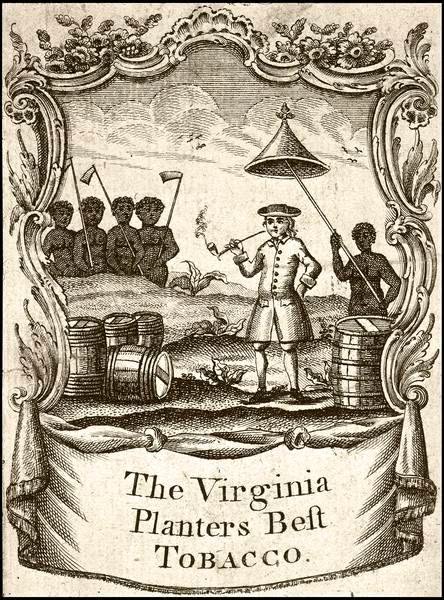
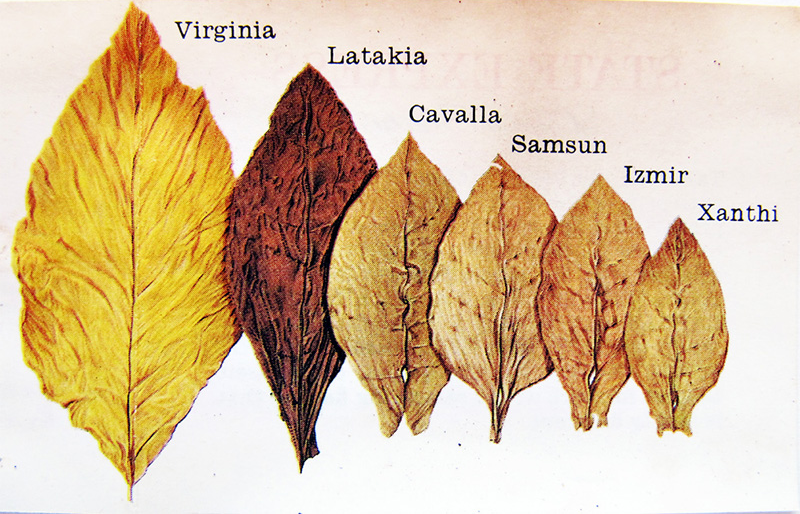
Virginia tobacco is typically flue-cured, a process that uses hot air to preserve its characteristic golden color. It has a mild aroma, burns slowly, and contains a naturally high sugar content, giving it a mild to medium strength.
It is the most widely used tobacco in pipe blends and is also frequently enjoyed on its own without being mixed with other tobaccos.
An important variety is Indian Mysore Virginia, which has larger, lighter-colored leaves than American Virginia.
*Stoved Virginia* refers to Virginia tobacco that has been heat-treated after curing. This process darkens the leaf and produces a richer, deeper, and sweeter flavor.
 BURLEY
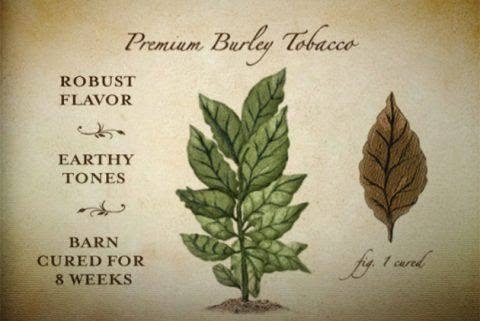
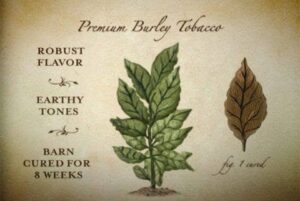
Burley is an air-cured tobacco, dried in open-sided barns that allow natural airflow.
Originally developed in the state of Kentucky, Burley is considered a mutation of Virginia tobacco.
The Burley commonly used today is known as White Burley, a mutation of the original Red Burley variety.
Red Burley is generally believed to have disappeared, and virtually all modern Burley varieties descend from White Burley. The name comes from the pale color of its seed, while both the fresh and cured plants are lighter in appearance than the original variety.
Unlike Virginia and many other tobaccos, the entire Burley plant is cured rather than just the leaves.
Burley offers a chocolate-like aroma with subtle nutty notes. Due to its low natural sugar content, it is considerably less sweet and slightly more bitter than Virginia.
Because it readily absorbs flavors and aromas, Burley is widely used as the base for aromatic pipe tobacco blends.
 PERIQUE
Perique originated in St. James Parish, along the Mississippi River in Louisiana, USA.
After harvesting, the leaves are air-cured for approximately fifteen days in open sheds until they develop a golden-brown color.
Once cured, the central stem is removed, the leaves are cleaned, rolled together into one-pound bundles, and packed tightly into large wooden barrels. Between 400 and 600 bundles are placed into each barrel, water is added, and the tobacco is compressed using the barrel’s lid.
The tobacco then ferments in its own juices for approximately 18 months, with the barrels being opened periodically so the tobacco can be turned and redistributed.
The result is an almost black tobacco with an exceptionally rich, spicy, and fruity flavor. It is rarely smoked by itself and is primarily used as a blending tobacco, adding remarkable complexity and depth to pipe mixtures.
Authentic St. James Perique is difficult to obtain because demand far exceeds the limited production. Although Perique-style tobacco is now produced elsewhere in the world, many enthusiasts believe that none equals the quality of the original due to the unique soils and microclimate of St. James Parish.
 LATAKIA
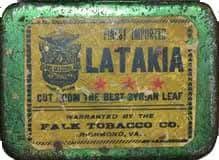
Latakia originated in Syria, specifically around the port city of Latakia, although today it is produced primarily in Cyprus.
The tobacco is first sun-cured and then smoke-cured over fires fueled by hardwoods such as oak or pine, along with aromatic herbs that impart its distinctive smoky character.
Latakia is a traditional component of English pipe tobacco blends, prized for its rich smoky, leathery, and incense-like aroma.
 ORIENTAL TOBACCOS
Oriental tobaccos are grown in Turkey, Greece, Bulgaria, Lebanon, and North Macedonia.
These small-leaf tobaccos are sun-cured, highly aromatic, and naturally low in nicotine.
Among the best-known Oriental varieties are Izmir, Yenidje, and Samsum, all of which contribute delicate, spicy, floral, and slightly sweet characteristics to pipe tobacco blends.
 KENTUCKY
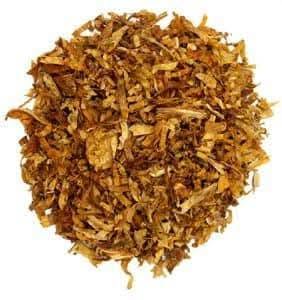
Kentucky tobacco is essentially Burley that has been fire-cured.
During the curing process, the leaves are exposed to the smoke of hardwood fires, producing a darker tobacco with a stronger, fuller flavor and generally a higher nicotine content.
Fire-curing gives Kentucky its distinctive smoky character while preserving the chocolate and nutty notes inherited from Burley.
Because of its bold flavor, Kentucky should be used sparingly in blends, as it can easily dominate the other tobaccos, much like Perique.
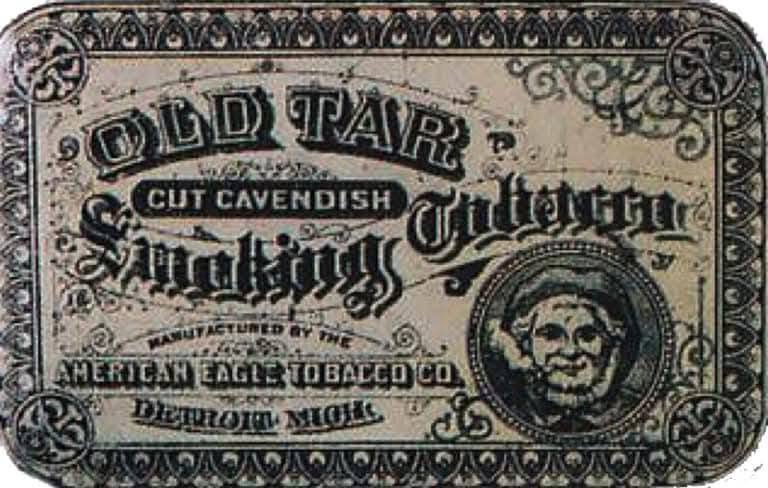 CAVENDISH
Cavendish is not a tobacco variety but a processing method designed to enhance tobacco’s natural sweetness.
The tobacco is steamed and then stored under pressure, allowing it to cure and ferment.
Today, Cavendish is often further flavored with sweet casings or aromatic flavorings such as vanilla, cherry, rum, maple, or other essences.
When Cavendish is produced from Burley tobacco, it is known as Black Cavendish, recognized for its smooth, cool-smoking character and naturally sweet flavor.


Post a comment: